Aligning Transaction Options with Player Preferences in Virtual Sportsbooks and Interactive Dealer Settings
Written by Rosa Sullivan · Jul 19, 2026

Aligning Transaction Options with Player Preferences in Virtual Sportsbooks and Interactive Dealer Settings
Virtual sportsbooks and interactive dealer platforms continue to adjust their transaction systems as player habits shift toward faster, more flexible methods that support both quick deposits and seamless withdrawals, while data from July 2026 highlights steady adoption of digital wallets alongside traditional banking channels across multiple regions.
Payment preferences vary by location and activity type, with users in North America often favoring instant bank transfers and cryptocurrency options according to reports from the Nevada Gaming Control Board, whereas participants in Asia-Pacific markets show stronger engagement with regional e-wallets and prepaid cards that integrate directly into mobile interfaces. These patterns emerge from transaction volume analyses that track how different demographics interact with live dealer tables versus sports betting markets, where timing and confirmation speed matter most during in-play wagers.
Payment Method Evolution in Digital Betting Environments
Transaction tools in virtual sportsbooks have expanded to include real-time verification layers that reduce processing delays, allowing players to move funds between accounts without interrupting betting sessions, and similar adaptations appear in interactive dealer setups where instant top-ups keep games flowing during extended sessions. Operators report that integration of open banking protocols has increased deposit success rates, particularly when users link accounts directly rather than entering card details repeatedly, while withdrawal options now often feature same-day processing for verified profiles.
Researchers at the University of Nevada, Las Vegas documented these changes through longitudinal studies that compared payment completion times across platforms in 2025 and early 2026, revealing that multi-currency support and biometric confirmation steps correlate with higher retention in both sportsbook and live dealer segments. The study also noted that platforms offering tiered verification levels, from basic email checks to full identity confirmation, accommodate a broader range of user comfort levels without forcing uniform processes on everyone.
Matching Options to User Behaviors Across Platforms
Interactive dealer experiences benefit from transaction flows that align with session length, since participants often prefer smaller, repeated deposits during table games rather than large upfront transfers, and this contrasts with sportsbook patterns where users may load larger balances ahead of major events or tournaments. Data indicates that live dealer platforms incorporating one-click reload features tied to preferred payment methods see consistent engagement metrics, especially when those methods support both fiat and digital assets.
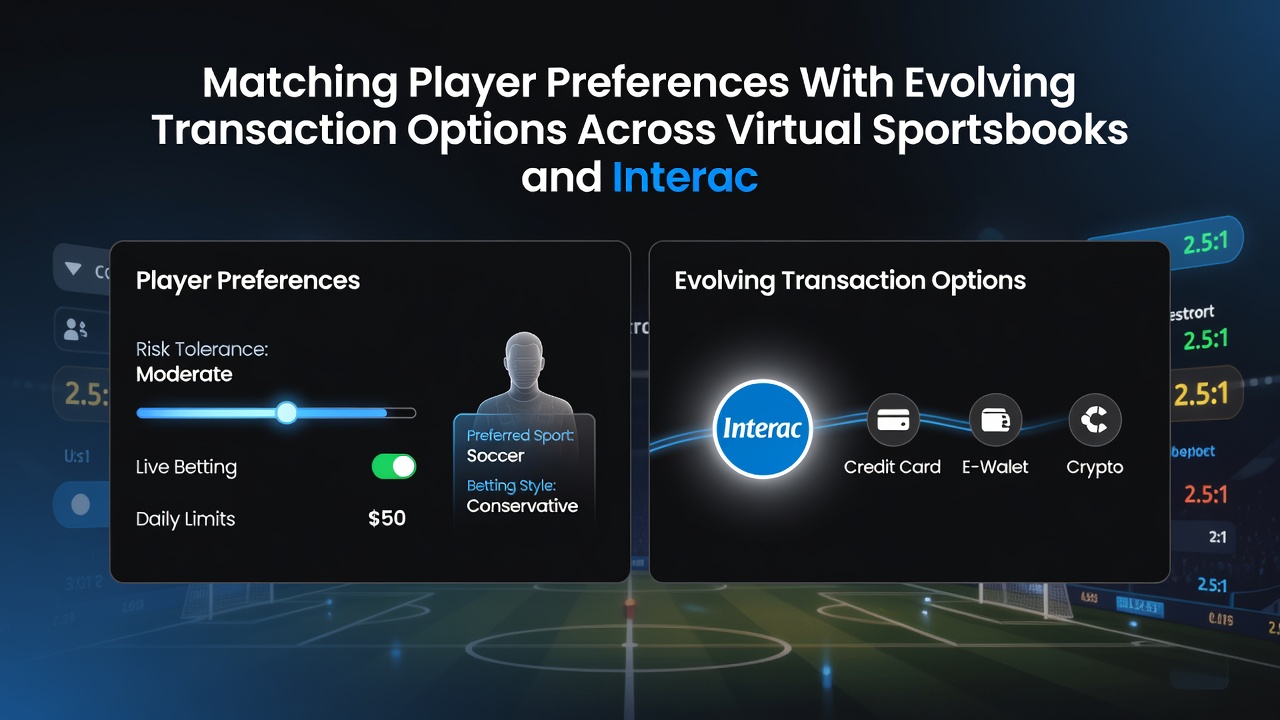
Observers note that geographic differences influence these preferences, with European users frequently selecting local payment schemes that comply with regional banking rules, while North American players increasingly experiment with blockchain-based transfers that bypass some traditional intermediaries. Industry reports from the iGaming Ontario in mid-2026 tracked similar shifts, showing that users who customize their default transaction settings maintain longer activity streaks across both virtual sportsbooks and dealer-hosted tables.
Technical Integration and Regulatory Considerations
Platform developers combine secure APIs with user preference dashboards that let individuals select and save favored methods, reducing friction during transitions between sportsbook betting and live dealer rounds, and these systems often include automatic currency conversion that reflects current exchange rates without additional user input. Compliance frameworks in various jurisdictions require clear disclosure of processing times and fees, which encourages operators to standardize information displays across mobile and desktop versions.
July 2026 figures from multiple regulatory bodies revealed that platforms with transparent transaction histories experienced fewer disputes related to delayed funds, particularly when those histories appeared within the same interface as game statistics and account balances. Such features help users monitor spending patterns in real time, supporting responsible participation without separate external tools.
Future Directions for Transaction Alignment
Emerging technologies such as embedded finance features within gaming apps continue to bridge gaps between player expectations and available options, allowing direct integration of loyalty rewards with transaction choices that automatically apply bonuses to selected payment methods. Analysts tracking these developments expect continued refinement of instant settlement capabilities, especially as cross-border play grows and users demand consistent experiences regardless of location.
Conclusion
Transaction systems in virtual sportsbooks and interactive dealer environments have adapted through expanded method availability, verification improvements, and user-controlled settings that reflect documented preference patterns across regions. Ongoing data collection from regulatory and academic sources supports these adjustments, ensuring platforms maintain functionality as participation evolves through 2026 and beyond.