Digital Pathways Transforming Reward Retrieval in Mobile Card Systems and Prize Draw Platforms
Written by Vera Klein · Jun 5, 2026
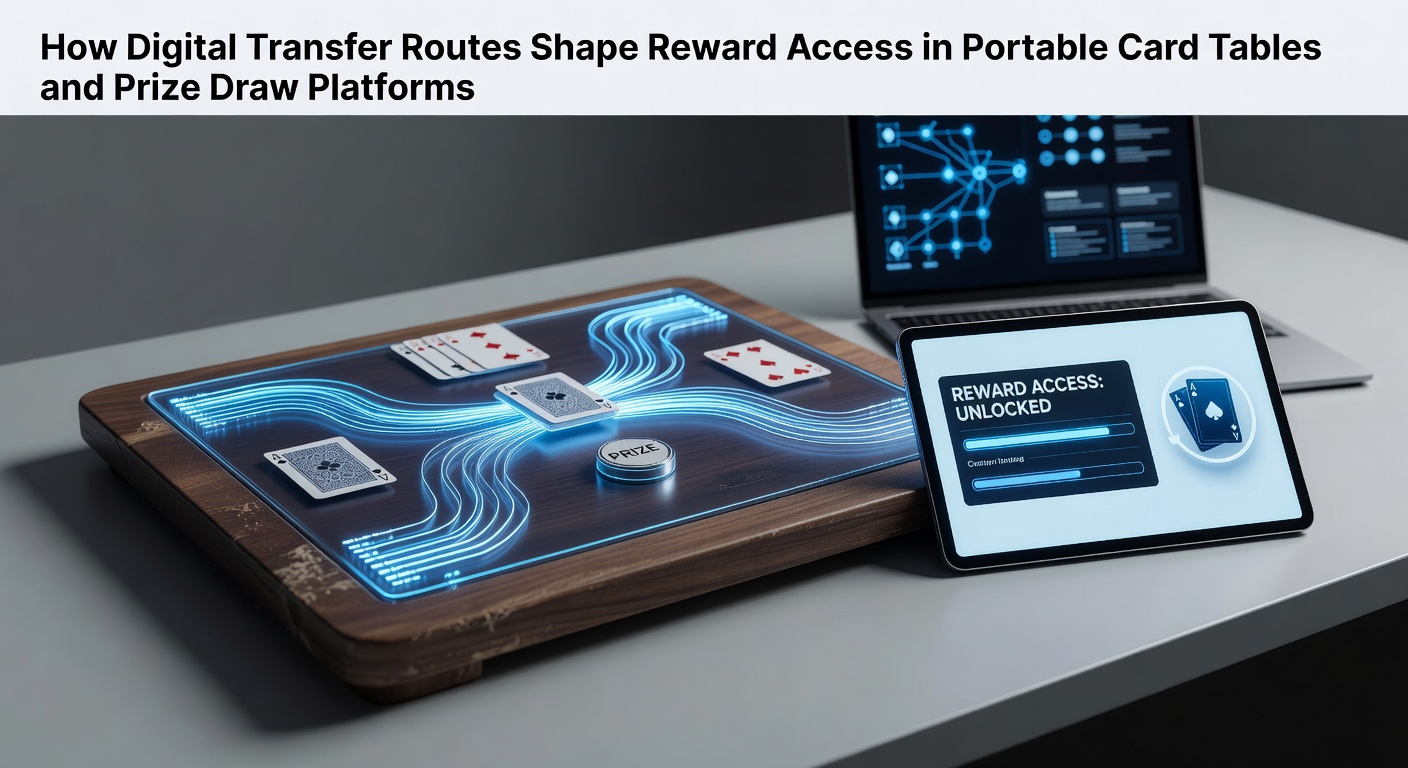
Digital Pathways Transforming Reward Retrieval in Mobile Card Systems and Prize Draw Platforms
Data from payment infrastructure reports shows that digital transfer routes now determine how quickly and reliably users retrieve rewards from portable card tables and prize draw platforms, with processing speeds varying from instant to several business days depending on teh route selected. These routes include API-driven wallet integrations, blockchain ledgers, and traditional bank rails, each carrying distinct verification layers that affect access timelines.
Portable card tables, often accessed via smartphone apps, rely on these pathways to move winnings from game servers to player accounts. When a route uses tokenized transfers, rewards reach the user wallet within seconds after the hand concludes, whereas legacy bank transfers introduce delays of 24 to 72 hours while compliance checks run. Observers note that June 2026 brought updated interoperability standards from several regional regulators, prompting platforms to expand supported routes and reduce average payout intervals across both card and draw products.
Mechanics Behind Route Selection and Reward Delivery
Route selection begins at the point of deposit or registration, where platforms present options ranked by speed, cost, and regional availability. A user choosing a digital wallet route typically encounters fewer friction points because identity verification occurs once at onboarding, allowing subsequent reward transfers to bypass repeated document uploads. In contrast, direct bank routes trigger fresh security protocols on every large withdrawal, extending the time between prize claim and funds arrival.
Studies from the Australian Gambling Research Centre indicate that platforms integrating multiple routes see higher completion rates for reward claims, because users can switch mid-process when one pathway encounters temporary limits. This flexibility matters most during peak draw events, when simultaneous claims spike and single-route systems face congestion.
Portable Card Tables and Real-Time Access Patterns
Card table applications running on mobile devices transmit outcome data to central servers that then initiate the chosen transfer route. Researchers tracking transaction logs across North American operators found that routes using stablecoin rails delivered rewards to 94 percent of players within five minutes during the first half of 2026, compared with 67 percent for routes routed through conventional card networks.
These differences shape player behavior, with frequent users gravitating toward platforms that default to faster options. Yet slower routes remain popular among those who prioritize higher transaction limits or who operate in jurisdictions where certain digital assets face restrictions. The choice therefore reflects both technical capability and regulatory geography.
Prize Draw Platforms and Batch Processing Realities
Prize draw systems often aggregate multiple winners before executing transfers, creating batch files that route through centralized payment processors. When these batches use instant settlement rails, winners receive notifications and funds on the same day the draw concludes. Platforms relying on end-of-day clearing cycles, however, defer access until the following business day even when the underlying technology supports faster movement.
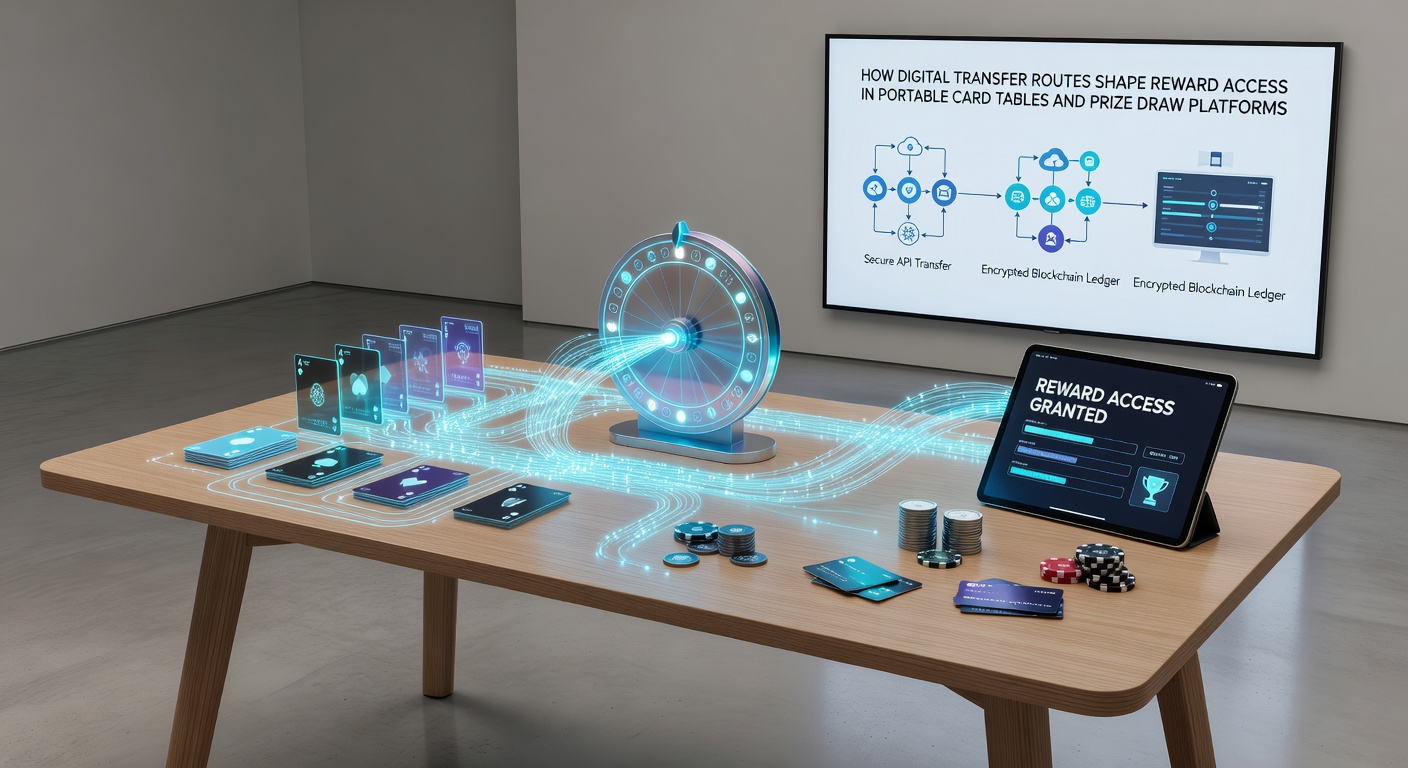
European data protection frameworks updated in early 2026 require explicit consent for each new route a platform activates, adding an extra confirmation step that some operators embed directly into the draw result screen. This requirement lengthens the visible process yet reduces disputes once funds land, because users have actively selected their preferred pathway.
Regional Variations in Route Availability
North American markets emphasize wallet-to-wallet transfers for card tables, while Australian and Asian operators more frequently combine bank rails with localized digital currencies. Canadian provincial regulators published route performance metrics in June 2026 that revealed average reward access times ranging from 47 seconds for approved wallet routes to 2.3 days for international wire options. These published figures allow operators to benchmark their own systems and adjust route menus accordingly.
Users in regions with limited banking infrastructure benefit when platforms introduce hybrid routes that combine mobile money services with traditional settlement. One documented case involved a draw platform partnering with regional telecom operators, enabling prize credits to appear as airtime balances that users later convert to cash through agent networks.
Security Layers Embedded in Transfer Routes
Every route carries authentication protocols that verify both sender and recipient before funds move. Multi-signature requirements on blockchain routes add an extra approval step visible to the user, yet they also prevent unauthorized redirection once the transfer begins. Traditional routes rely on account verification codes sent via SMS or app notification, creating a brief pause that some users interpret as delay rather than protection.
Industry reports from the National Council on Problem Gambling highlight that transparent route descriptions reduce support tickets related to missing rewards, because players understand why a particular pathway requires additional verification on first use. Platforms that surface estimated arrival times at the moment of route selection report fewer follow-up inquiries once the transfer completes.
Conclusion
Digital transfer routes now function as the primary gatekeepers for reward access in portable card tables and prize draw platforms, with performance metrics published by regulators in multiple regions shaping operator choices. The availability of faster rails alongside established banking options allows platforms to accommodate diverse user preferences while meeting compliance obligations that evolved through mid-2026. As interoperability standards continue to align across borders, the time between prize generation and user receipt is expected to shorten further for those selecting optimized routes.