Encryption Layers and Verification Processes Powering Mobile Poker and Bingo Payments
Written by Sofia Müller · Aug 14, 2026

Encryption Layers and Verification Processes Powering Mobile Poker and Bingo Payments
Security protocols form the backbone of fund transfers during poker tournaments and bingo sessions conducted on portable devices, where data moves between player accounts and operator servers through multiple layers of protection. Developers integrate standards such as TLS 1.3 alongside device-specific authentication to maintain continuity while preventing interception, and these measures operate continuously as sessions progress from registration through prize distribution. In August 2026 several platforms updated their mobile applications to align with revised international encryption benchmarks, which tightened key exchange requirements and reduced latency during high-volume tournament windows.
Core Technical Components
Public key infrastructure establishes initial trust between the portable device and the gaming server, after which symmetric encryption handles the bulk of transaction data to balance speed with confidentiality. Tokenization replaces actual card or bank details with unique identifiers that hold no value outside a single session, while hardware security modules on the server side store and rotate cryptographic keys according to schedules set by compliance frameworks. Observers note that multi-factor authentication combines device biometrics with one-time codes generated through authenticator applications, creating checkpoints that activate before any deposit or withdrawal processes begin.
Real-time monitoring systems scan transaction patterns for anomalies using algorithms trained on historical data sets, and these systems flag deviations such as unusual withdrawal volumes or mismatched geolocation signals without interrupting legitimate play. Researchers at academic institutions have documented how end-to-end encryption extends across both the poker table interfaces and bingo number generation modules, ensuring that chat logs, bet placements, and payout confirmations remain isolated from third-party access points.
Integration Across Game Formats
Poker tournaments require sequential fund movements that include buy-ins, rebuys, and final payouts, each verified against player identity records stored in compliance databases. Bingo sessions, by contrast, process smaller incremental transactions at higher frequency, which demands protocols capable of handling rapid successive requests without accumulating processing delays. Developers address these differences by deploying session-specific keys that expire after predetermined intervals, limiting the window during which any single key remains valid.
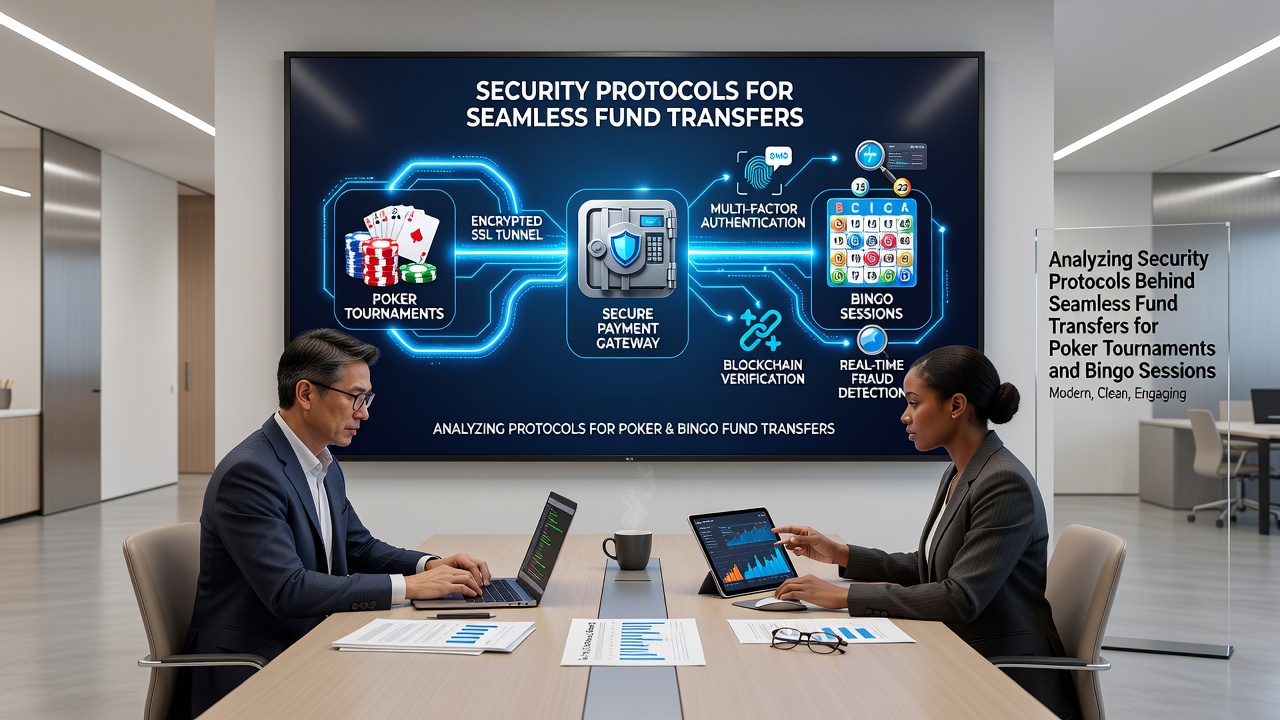
Payment gateways interface directly with these protocols through APIs that enforce PCI DSS requirements at every stage, and gateway operators maintain separate audit trails that regulators can review during periodic assessments. Data indicates that adoption of these layered approaches has coincided with increased participation rates on portable devices across multiple jurisdictions.
Regulatory and Standards Landscape
Authorities in various regions reference guidelines from organizations such as the National Institute of Standards and Technology when evaluating mobile gaming security implementations. These guidelines specify minimum key lengths, approved cipher suites, and testing procedures that operators must demonstrate during licensing renewals. European bodies have incorporated similar requirements into their oversight frameworks, while Canadian provincial regulators conduct independent penetration testing on applications before approving them for public release.
Industry reports compiled by research groups highlight that operators who maintain continuous compliance certification experience fewer service interruptions during peak tournament periods. Figures reveal that updates rolled out in 2026 addressed vulnerabilities identified in earlier protocol versions, particularly those affecting older mobile operating systems still in circulation among certain user demographics.
Operational Challenges and Adaptations
Network variability on portable devices introduces additional variables that security teams must account for, including fluctuating signal strength and transitions between cellular and Wi-Fi connections. Adaptive protocols detect these shifts and renegotiate encryption parameters mid-session without requiring user intervention. Case examples from platform operators show that fallback mechanisms activate automatically when primary channels encounter interference, preserving transaction integrity throughout the adjustment.
Those who have studied deployment records note that training datasets used for anomaly detection now incorporate regional usage patterns from both poker and bingo environments, improving detection accuracy across different time zones and event scales. This evolution supports seamless fund movements even when thousands of participants join simultaneous tournaments or bingo rounds.
Conclusion
Security protocols continue to evolve in response to emerging threats and expanding mobile usage, with encryption standards, authentication layers, and monitoring systems working together to support uninterrupted fund transfers. Data from multiple regulatory sources confirms that platforms maintaining up-to-date implementations deliver consistent performance during both poker tournaments and bingo sessions on portable devices. As new benchmarks emerge, operators integrate revisions through scheduled updates that preserve existing user experiences while strengthening protective measures.