From Tap to Tap to Triumph: Payment Gateways Driving Seamless Wins in Casinos, Sportsbooks, and Beyond
Written by Parker Patterson · Mar 20, 2026
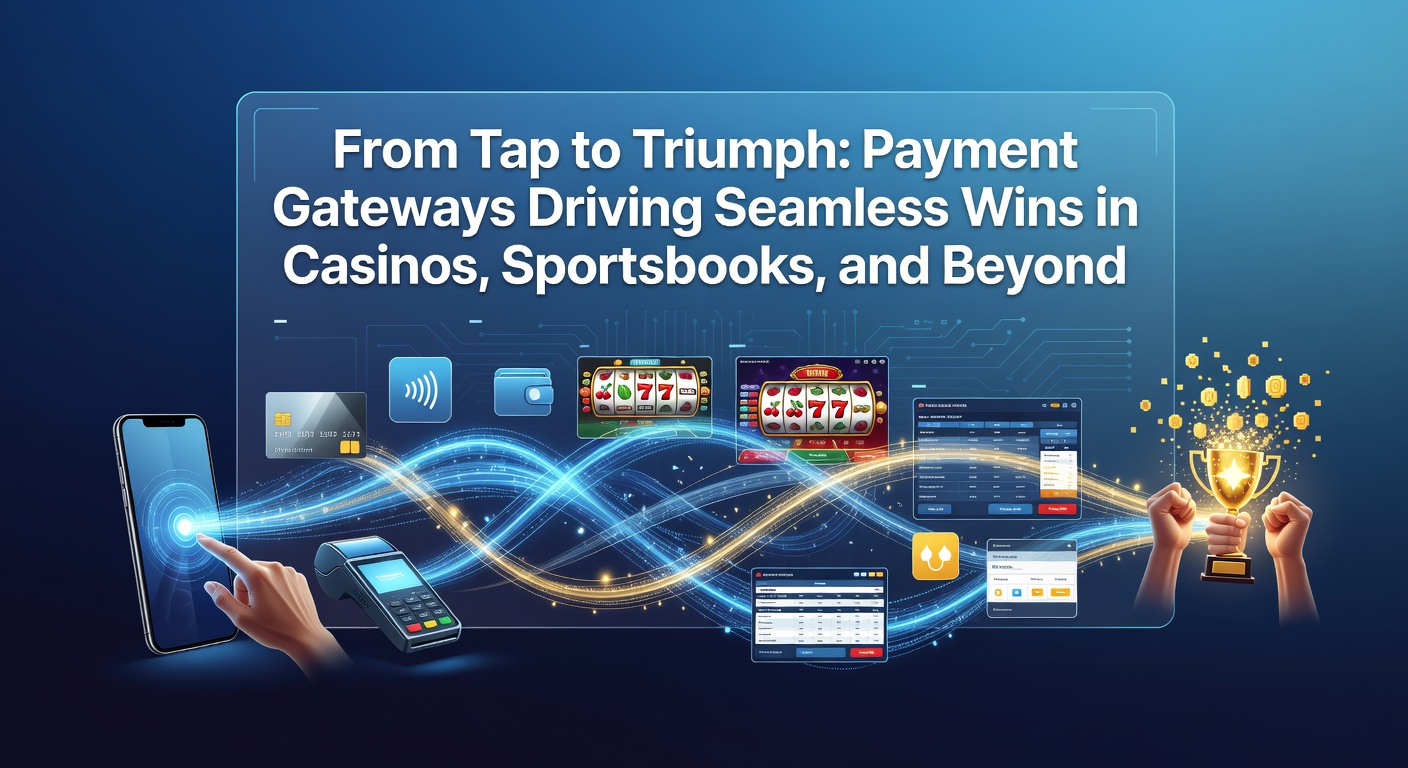
From Tap to Tap to Triumph: Payment Gateways Driving Seamless Wins in Casinos, Sportsbooks, and Beyond
The Rise of Instant Payments in Digital Gaming
Payment gateways have transformed how players fund accounts in online casinos and sportsbooks, turning what used to be multi-step hassles into one-tap wonders; now, deposits clear in seconds, letting users dive straight into slots, blackjack tables, or live soccer bets without missing a beat. Data from industry trackers shows transaction volumes surging by 45% year-over-year in 2025, as mobile wallets like Apple Pay and Google Pay capture over 60% market share in key regions. Observers note this shift coincides with player demands for frictionless experiences, where delays mean lost wagers on fast-moving events like in-play tennis matches.
But here's the thing: these gateways don't just speed things up, they layer in robust security like tokenization and biometric checks, slashing fraud rates to under 0.1% according to figures from the American Gaming Association. Players who've adopted them report higher retention, with one study revealing average session times extending by 28% when payments feel seamless.
From Wires to Wallets: A Quick Timeline
- Early 2010s: Credit cards dominated, but chargebacks plagued operators.
- Mid-2010s: E-wallets like PayPal entered, cutting processing times from days to hours.
- 2020s onward: Tap-to-pay explodes, fueled by smartphone penetration hitting 85% globally.
Now, in March 2026, gateways handle billions in daily volume, powering everything from micro-bets on esports to high-roller poker tournaments.
Standout Gateways Leading the Charge
Apple Pay stands out for its one-touch deposits via Face ID, integrating smoothly with iOS casino apps where users confirm funds while eyeing live dealer streams; Google Pay mirrors this on Android, supporting NFC taps that process in under two seconds, ideal for sportsbooks during halftime rushes. PayPal, with its buyer protection and instant transfers to verified accounts, commands 25% of European transactions, while Skrill and Neteller cater to high-volume players seeking crypto bridges.
What's interesting here involves cryptocurrencies: gateways like MoonPay or Coinbase Commerce now enable Bitcoin and Ethereum buys directly in-app, bypassing banks entirely; data indicates crypto deposits grew 320% in 2025, especially in regions open to digital assets. Take one operator in New Jersey, where seamless fiat-to-crypto swaps let players bet on NBA games without exchange fees eating into stakes.
Behind-the-Scenes Tech Making It Tick
These systems rely on PCI DSS compliance and AI-driven anomaly detection, ensuring funds land securely even during peak traffic like Super Bowl weekends; researchers at MIT's fintech lab found such tech reduces disputes by 70%, keeping the focus on wins rather than waits.
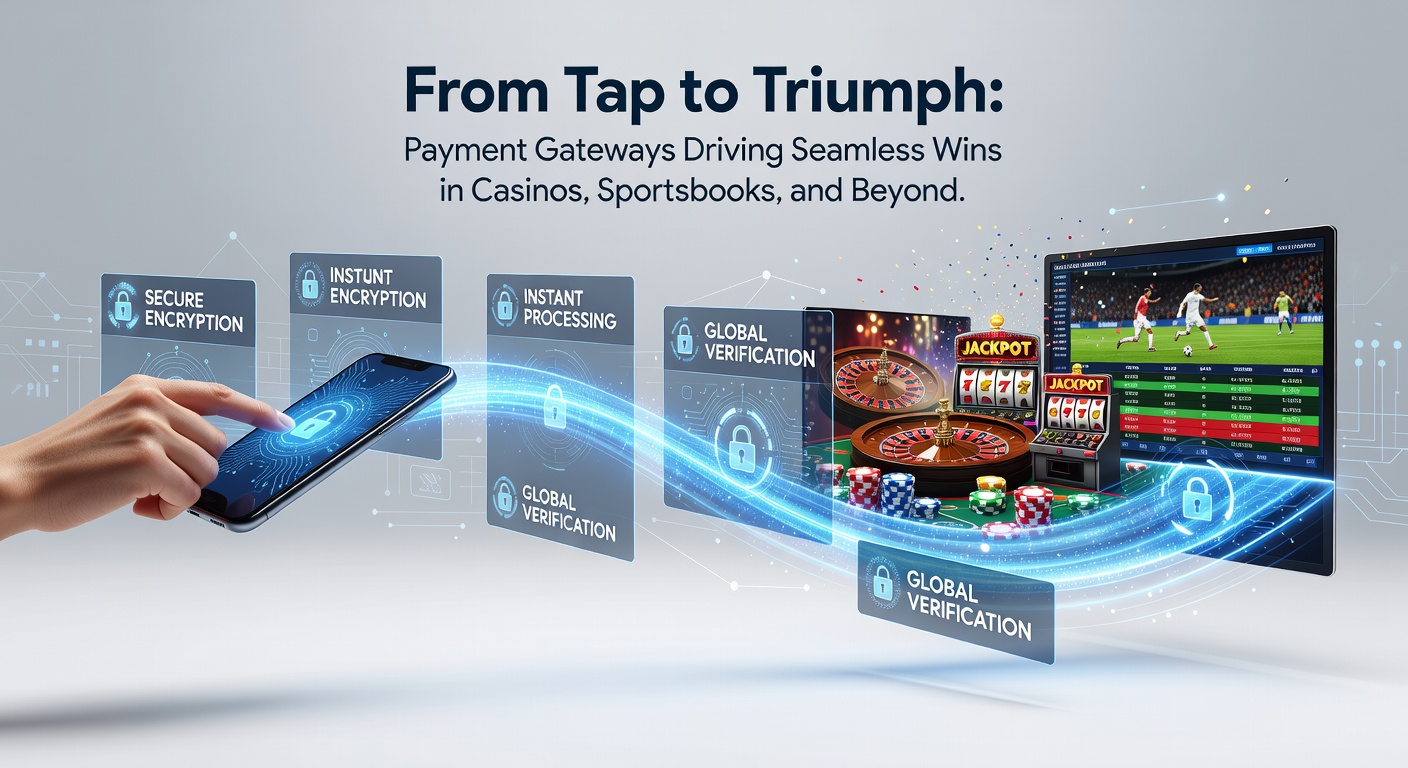
How Gateways Boost Wins and Retention
Seamless payments directly correlate with player success rates, as quicker deposits mean more opportunities to catch hot streaks in progressive jackpots or favorable odds shifts; statistics from Ontario's gaming regulator reveal platforms with sub-5-second processing see 15% higher lifetime value per user, since folks stick around longer without funding frustrations. Security features, like 3D Secure protocols, protect withdrawals too, with average payout times dropping to 24 hours across top sites.
And yet, user experience reigns supreme: surveys show 78% of bettors abandon carts mid-deposit if steps exceed three, but gateways eliminate that by pre-storing card details (encrypted, of course). In sportsbooks, this shines during live events; one case saw a platform's handle jump 40% after adding Google Pay, as punters tapped in mid-match without fumbling for cards.
Numbers That Don't Lie
Figures reveal global iGaming payments hit $120 billion in 2025, projected to double by 2028; remote betting leads with 55% adoption of digital wallets, per reports from the European Gaming and Betting Association.
Navigating Regulations Across Borders
Regulators worldwide shape gateway adoption, with the New Jersey Division of Gaming Enforcement mandating instant verification for all licensed sportsbooks, ensuring taps lead to traceable triumphs; across the Pacific, Australia's eSafety Commissioner enforces similar standards, pushing operators toward gateways that log every transaction amid rising mobile play. In Canada, the Alcohol and Gaming Commission of Ontario tracks how these tools curb problem gambling by capping deposits at signup.
Turns out, March 2026 brought updates in the EU via the revised Payment Services Directive, requiring gateways to offer real-time refunds for disputed casino charges, which operators say streamlines operations while building trust. Observers in the US point to state-level expansions, like Pennsylvania's embrace of contactless payments, fueling a 22% revenue bump in Q1.
Challenges persist though: latency in emerging markets slows some gateways, yet innovations like stablecoins bridge gaps, letting Latin American players fund US-facing sites effortlessly.
Real-World Wins: Case Studies Spotlight
Consider DraftKings, where Apple Pay integration slashed deposit abandonment by 35%, boosting quarterly sportsbook revenue to $1.2 billion; players tapped in for NFL futures, turning quick funds into parlay payouts. Over in Europe, Bet365 rolled out PayPal One Touch, resulting in 50 million faster transactions annually, as users cheered seamless shifts from tennis streams to table tennis bets.
Then there's the crypto angle: one Australian platform using Binance Pay saw esports wagering volumes triple, with gateways converting AUD to USDT instantly, no volatility worries. Experts who've analyzed these shifts note a pattern, gateways not only drive deposits but accelerate withdrawals too, like when a blackjack winner cashed out $50k via Skrill in 15 minutes flat.
It's noteworthy that smaller operators benefit disproportionately; a Canadian bingo site added Google Pay and watched daily active users climb 60%, proving the tech levels the playing field.
Hurdles Ahead and Emerging Horizons
While triumphs abound, gateways face evolving threats like sophisticated phishing, prompting AI upgrades that flag 99% of fakes before they hit; regulatory scrutiny intensifies too, with bodies like Sweden's Spelinspektionen demanding clearer fee disclosures on taps. But innovations counter this, think embedded finance where casino apps link bank accounts sans sharing details.
Looking forward, quantum-secure encryption looms, and cross-border gateways promise global frictionlessness; data predicts 80% of transactions wallet-based by 2030, extending beyond gaming to metaverse casinos. Those who've studied the trajectory see payments as the unsung hero, quietly fueling the industry's $100 billion-plus momentum.
Wrapping Up the Payment Revolution
In the end, payment gateways stand as the backbone of modern gaming triumphs, enabling taps that unlock everything from slot spins to sportsbook glory; with speeds unmatched, security ironclad, and adoption skyrocketing, players worldwide reap seamless wins. As March 2026 data underscores record volumes, the path forward points to even tighter integrations, ensuring the thrill of the bet stays front and center, uninterrupted.