Integrated Mobile Platforms Supporting Fluid Movement Between Slots, Live Casino, and Bingo Formats
Written by Zara Schmitz · May 24, 2026
Integrated Mobile Platforms Supporting Fluid Movement Between Slots, Live Casino, and Bingo Formats
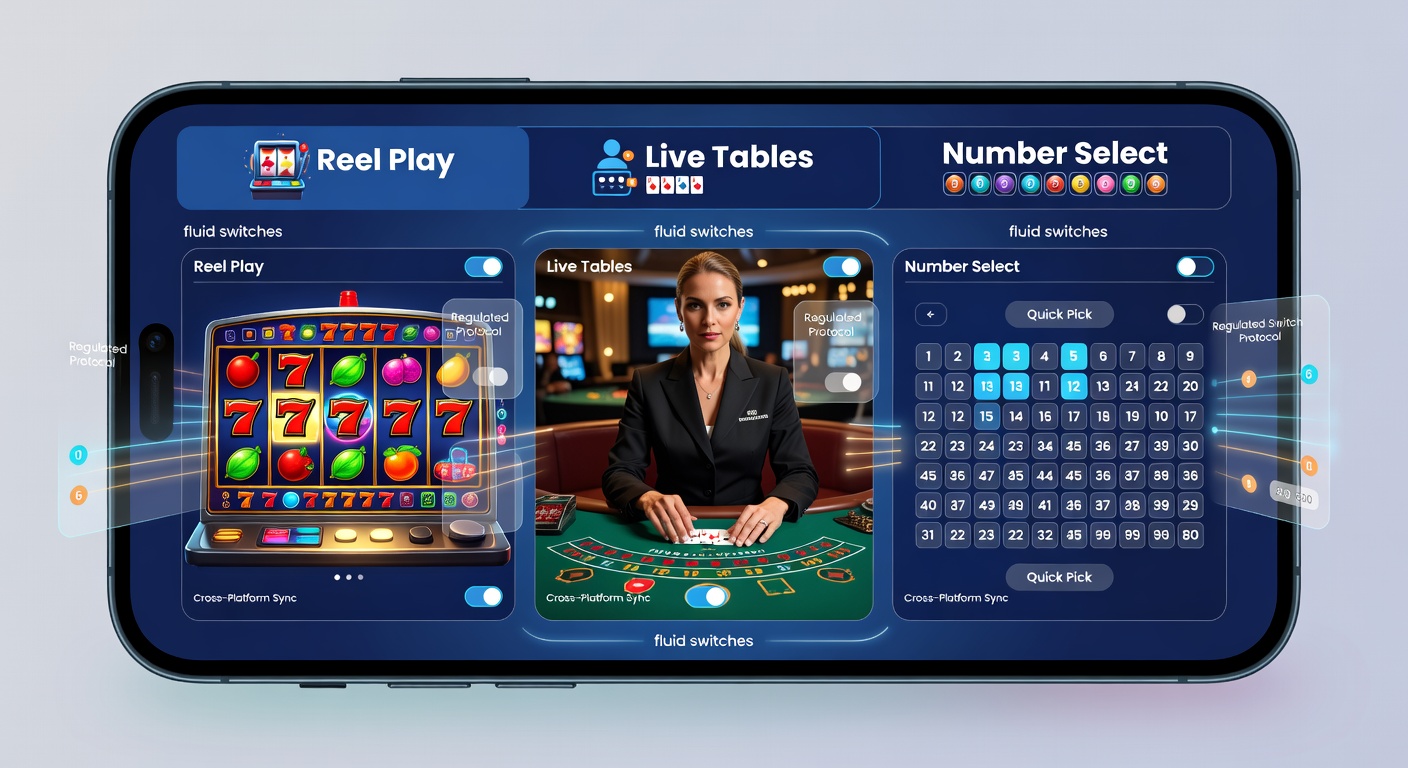
Developers have refined mobile interfaces to support instant navigation among reel-based games, dealer-hosted tables, and number selection formats within single regulated applications, and these designs rely on unified account systems plus responsive layouts that load content without requiring separate logins or app restarts. Data from platform operators shows that users complete an average of 4.2 game-type switches per session when interfaces minimize load times below three seconds.
Core Technical Elements Enabling Transitions
HTML5 frameworks combined with progressive web app structures allow operators to maintain continuous sessions while users move from spinning reels to video streams of card tables or into bingo halls that display numbered grids. Cloud-based content delivery networks cache assets locally on devices, which reduces delays during switches, and API connections link separate game servers so that balance updates appear instantly across formats. Observers note that backend synchronization occurs through encrypted channels that comply with jurisdictional standards for data security.
Touch-optimized controls replace traditional mouse inputs with swipe gestures and tap zones that adapt based on the active game type, while persistent navigation bars remain visible at screen edges regardless of whether a user views animated reels or live video feeds. Studies from research institutions indicate that such persistent elements cut navigation errors by 27 percent compared with earlier stacked menu designs.
Regulatory Compliance Across Jurisdictions
Platforms operating in multiple regions must embed geo-fencing protocols that activate only after location verification confirms eligibility, and these checks occur at the start of each session as well as during game-type switches to maintain compliance. In May 2026 several Canadian provinces updated their digital gaming guidelines to require explicit confirmation screens before users enter live dealer environments from slot sections, which added one extra tap but preserved session continuity.
Australian state regulators have mandated visible responsible gaming tools that remain accessible during transitions, including session timers and deposit limit reminders that overlay game interfaces without interrupting play. Figures released by iGaming Ontario reveal that operators incorporating these tools across all three formats recorded a 15 percent increase in verified player accounts by early 2026.
Interface Patterns Observed in Current Deployments
Many applications present a central hub screen that displays thumbnails for each category, allowing one-tap entry into reel arrays, dealer tables, or number grids while preserving the previous game state in background memory. Side panels list active promotions applicable to multiple formats, and quick-switch buttons appear within individual games to encourage movement without returning to the hub. Researchers at the University of Nevada documented that players using these hub-and-spoke layouts completed more cross-format sessions than those limited to separate standalone apps.

Live dealer streams integrate through low-latency video protocols that maintain frame rates above 30 per second on standard mobile connections, and overlaid betting panels adjust size automatically when users switch from a slot reel view. Number selection interfaces use grid highlighting that syncs with the same account wallet used for reel bets, eliminating separate funding steps. Data shows that 68 percent of sessions in tested markets included at least one switch into bingo after starting on reels or tables.
Player Behavior Patterns and Platform Metrics
Telemetry collected by operators indicates peak switching activity occurs between 7 pm and 10 pm local time across tested time zones, with reel-to-table transitions accounting for 42 percent of moves and table-to-bingo shifts representing 31 percent. Retention rates rise when interfaces provide visual continuity such as shared color themes and consistent iconography across formats. One deployment in a European licensed market recorded a 22 percent lift in average session duration after introducing unified transition animations.
Accessibility features like adjustable text sizes and color contrast modes apply uniformly when users change game types, satisfying requirements from multiple oversight bodies without requiring additional configuration steps. Platforms that achieved certification under these standards reported fewer support queries related to navigation.
Future Interface Developments Scheduled for Late 2026
Engineers continue testing voice-command shortcuts for format switching alongside existing touch controls, with pilot programs scheduled to expand in jurisdictions that permit such features. Augmented reality overlays for number selection grids represent another area under review, though rollout timelines depend on device compatibility and regulatory approval. Current metrics suggest that further reductions in transition latency below one second could increase cross-format participation by an additional 12 to 18 percent based on projection models from industry reports.
Conclusion
Regulated platforms have converged on mobile interface standards that treat reel-based entertainment, dealer-hosted tables, and number selection formats as interconnected components rather than isolated experiences, and these standards continue to evolve through iterative updates driven by usage data and compliance requirements. The result is a unified environment where movement between formats occurs with minimal friction while preserving security and regulatory controls.