Interlinked Reward Structures: Cryptocurrency Options Meeting Real-Time Table Dynamics in Hybrid Platforms
Written by Rosa Sullivan · Jun 14, 2026
Interlinked Reward Structures: Cryptocurrency Options Meeting Real-Time Table Dynamics in Hybrid Platforms
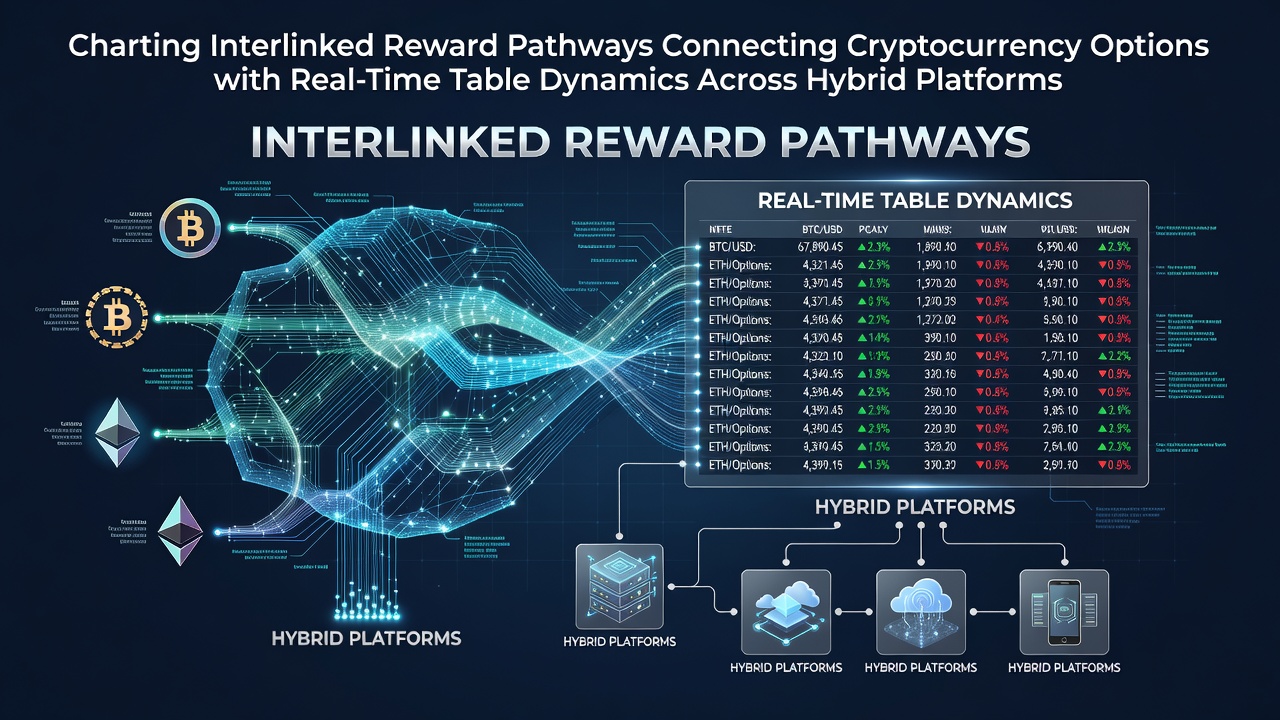
Hybrid platforms combine traditional gaming interfaces with digital asset features, and observers note how these systems create connected pathways between cryptocurrency choices and live table activities. Data from industry reports indicates that participants use crypto wallets to access instant deposit options, while real-time table environments adjust odds and bonuses based on those same asset movements. Researchers at academic institutions have tracked these connections across multiple jurisdictions since the early 2020s, revealing consistent patterns in how reward triggers activate during active play sessions.Core Mechanisms of Reward Pathways
Cryptocurrency options integrate directly with table mechanics through automated scripts that monitor wallet activity and translate holdings into playable credits or multiplier effects, and this process occurs without manual intervention in most current systems. Players select from various tokens at the account level, after which algorithms link those selections to specific table rules such as side bet availability or progressive jackpot contributions. Studies from Canadian research centers show that platforms employing these connections experience higher session continuity because rewards recalibrate in real time as market values fluctuate.
One example involves staking smaller amounts of established tokens to unlock temporary table privileges like reduced house edges on roulette spins, whereas volatile altcoins might feed into separate loyalty tiers that accumulate across poker tables. These pathways operate through application programming interfaces that pull live pricing data and push updates to the gaming engine within seconds, creating a feedback loop where asset performance influences table outcomes and vice versa.
Real-Time Table Dynamics and Integration Points
Live dealer environments on hybrid platforms display dynamic elements such as adjustable betting limits or bonus rounds that respond to cryptocurrency inflows, and operators configure these features to activate when specific volume thresholds are met. Data indicates that tables handling multiple asset types simultaneously maintain separate ledgers for each currency while presenting unified interfaces to users, which reduces friction during rapid switches between games like blackjack and baccarat.
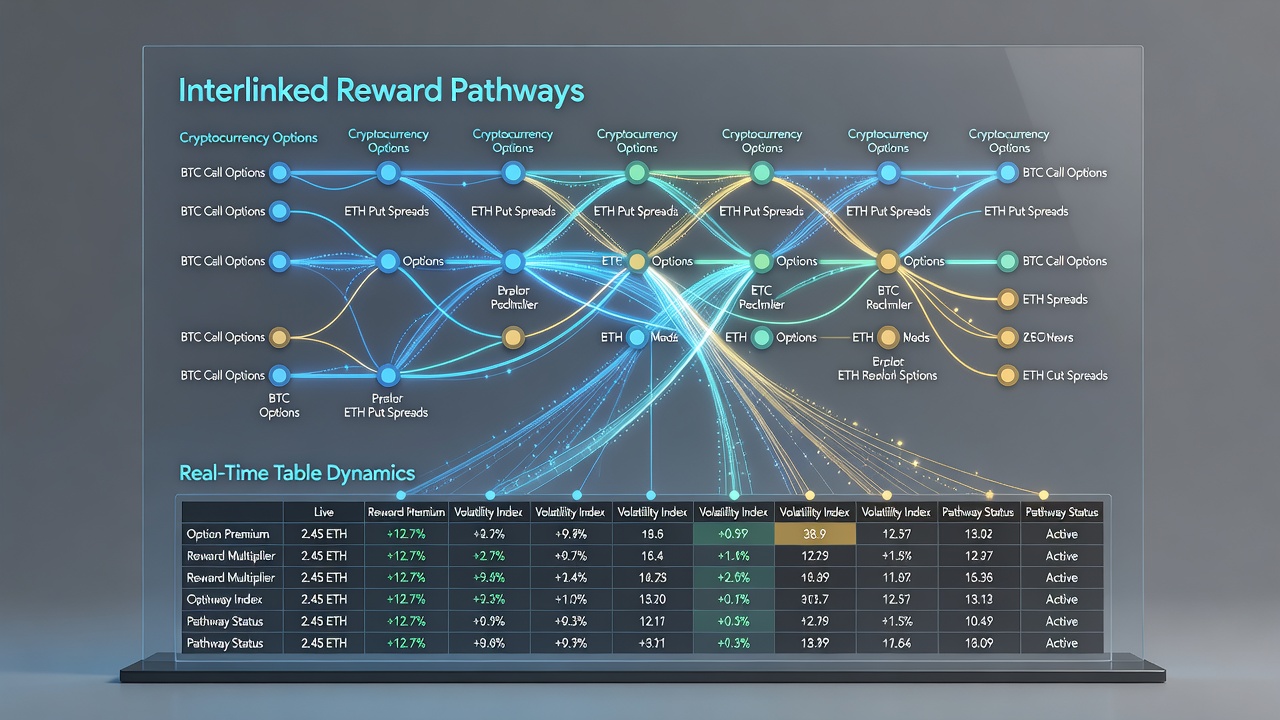
What's notable is the way timing protocols synchronize crypto confirmations with table rounds, ensuring that rewards from completed transactions appear before the next deal begins. European industry associations have documented cases where platforms in regulated markets use these synchronizations to comply with transaction reporting requirements while preserving seamless play flow. Observers point out that such setups allow tables to incorporate elements like token-based insurance bets that draw directly from linked wallets rather than from static chip stacks.
Developments Observed Around June 2026
By June 2026 several hybrid operators expanded their cryptocurrency pairings to include newer stablecoin variants, and regulatory updates in select Australian and Asian markets facilitated these additions through clearer licensing pathways for digital asset handling. Figures from trade publications reveal that average reward redemption rates on live tables rose during this period as platforms refined their interlinking algorithms to account for cross-chain transfers. Those monitoring the space note that these expansions coincided with improved API stability, which minimized delays between wallet actions and table adjustments.
Academic papers published around the same timeframe examined user retention metrics across platforms that maintained tight connections between crypto options and table features, finding measurable differences compared to systems with looser integrations. The patterns suggest that when reward pathways update continuously, participants extend their engagement with multiple table variants within single sessions.
Practical Examples Across Platforms
Take one operator that introduced a feature allowing Ethereum-based options to fund live poker buy-ins with automatic conversion at prevailing rates, while another connected Solana holdings to blackjack side bets that scale with token velocity. These implementations rely on audited smart contracts to enforce the rules, and industry groups in the United States have referenced similar models in technical guidelines released for multi-asset environments. Data shows that platforms applying these methods report lower dispute volumes because transaction histories remain transparent and traceable through the same interfaces used for table play.
Conclusion
Hybrid platforms continue to refine the connections between cryptocurrency selections and live table operations through increasingly precise reward pathways, and available evidence points to ongoing technical improvements that support these linkages. Regulatory bodies across different regions maintain oversight while permitting innovation in how asset dynamics interact with table mechanics, resulting in systems that adapt quickly to both market conditions and player activity. Continued documentation from research sources will likely track further evolutions in these integrated environments.