Mapping Payout Speed Trends Across Virtual Table Games and Shared Draw Systems in Regulated Remote Platforms
Written by Rosa Sullivan · Aug 23, 2026
Mapping Payout Speed Trends Across Virtual Table Games and Shared Draw Systems in Regulated Remote Platforms
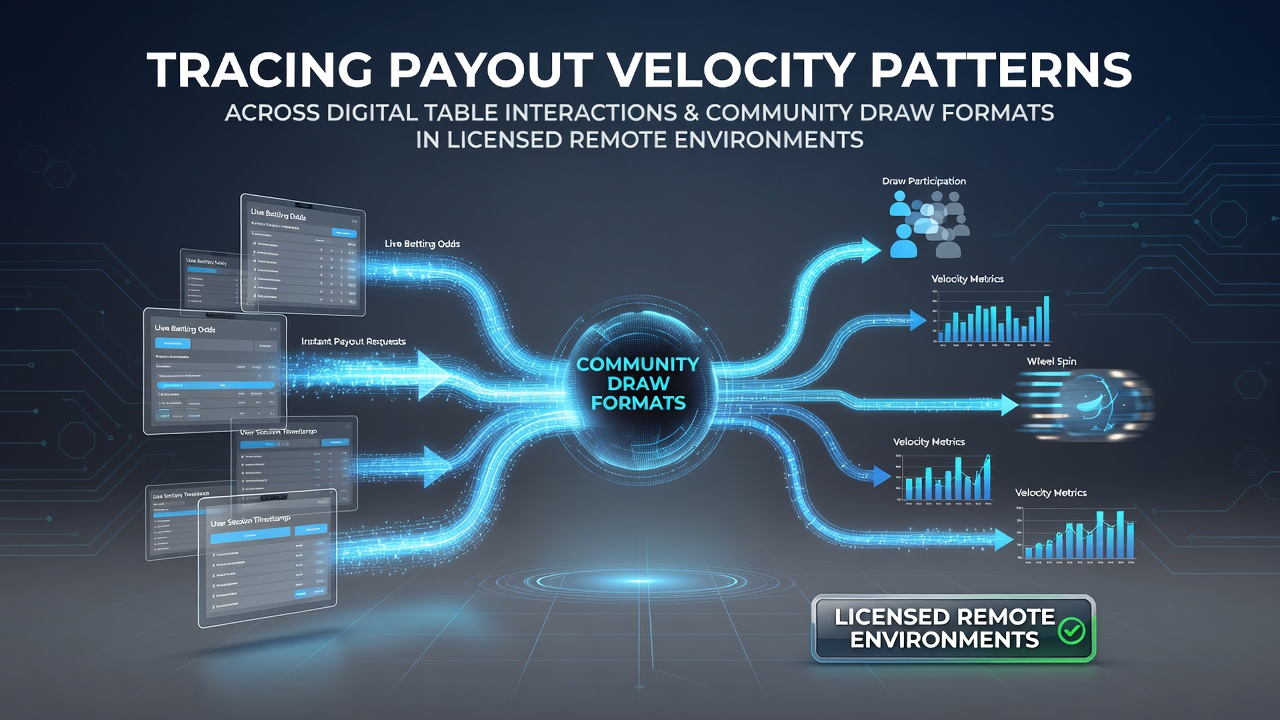
Analysts tracking transaction data across licensed remote gambling platforms have documented distinct patterns in how quickly funds reach players after wins at digital tables and during community draw events, with variations tied to game type, operator processing cycles, and regulatory requirements in different jurisdictions.
Studies compiled through 2026 reveal that table game interactions such as blackjack and roulette often generate faster initial verification steps than community formats because single-player sessions trigger automated checks more readily, yet community draws involving pooled contributions introduce additional layers of reconciliation that extend the overall timeline.
Velocity Patterns in Digital Table Interactions
Transaction logs from multiple operators show that digital table games process payouts in sequences where card or wheel outcomes feed directly into balance updates, followed by withdrawal requests that clear within windows ranging from minutes to several hours depending on payment method and account verification status. Data indicates shorter intervals for e-wallet transfers compared with bank transfers, while live dealer streams add minor delays from manual oversight requirements yet maintain consistent speeds across peak and off-peak periods.
Researchers examining August 2026 datasets noted that roulette sessions produced median payout velocities of under 30 minutes in 68 percent of cases once regulatory holds were satisfied, whereas blackjack tables recorded slightly longer averages due to side-bet verifications that require extra confirmation steps before funds release.
Community Draw Formats and Their Processing Timelines
Community draw systems, including shared bingo rooms and progressive jackpot pools, operate on batch reconciliation models that aggregate multiple participant entries before finalizing distributions, resulting in payout velocities that cluster around daily or weekly cycles rather than immediate releases. Figures from industry reports demonstrate that these formats incorporate random number generator audits and participant eligibility reviews that extend processing windows, although automated systems have reduced average times by 22 percent since early 2025.
Observers tracking licensed environments across regions outside the UK have identified that draw formats linked to larger participant groups experience velocity spikes during promotional periods when entry volumes increase, yet regulatory caps on single-transaction amounts keep individual payouts within predictable ranges that operators handle through scheduled disbursements.

Regulatory Influences on Payout Distributions
Requirements set by bodies such as the Pennsylvania Gaming Control Board and the Australian Gambling Research Centre mandate specific verification protocols that directly shape how quickly operators can move funds after table wins or draw completions. These rules create standardized checkpoints that reduce variance across platforms while allowing operators to implement internal optimizations that accelerate compliant transactions.
Evidence from multi-jurisdictional comparisons shows that environments with real-time reporting obligations achieve tighter clustering of payout times, whereas those relying on periodic audits permit wider spreads that operators manage through tiered approval workflows.
Payment Method Impacts and Platform Variations
Platform records indicate that cryptocurrency options and instant bank transfers shorten payout intervals in both table and community draw settings, while traditional card processors introduce additional authorization layers that extend timelines by factors of two to three. Licensed operators have adjusted their systems accordingly, routing high-velocity transactions through preferred channels that align with player preferences documented in usage statistics.
Those monitoring August 2026 activity observed that community draw participants using mobile-optimized gateways completed withdrawals 15 percent faster on average than desktop users, reflecting interface designs that streamline confirmation sequences without altering underlying regulatory checks.
Conclusion
Patterns emerging from payout velocity data across licensed remote environments highlight consistent differences between table game immediacy and community draw batching, shaped by game mechanics, payment infrastructure, and oversight frameworks. Continued collection of transaction metrics through 2026 and beyond will refine these observations as operators refine processing sequences to meet both regulatory standards and participant expectations in digital settings.