Mobile Security and Instant Play: Transaction Methods Driving Real-Time Betting on Portable Devices
Written by Vera Klein · May 29, 2026
Mobile Security and Instant Play: Transaction Methods Driving Real-Time Betting on Portable Devices
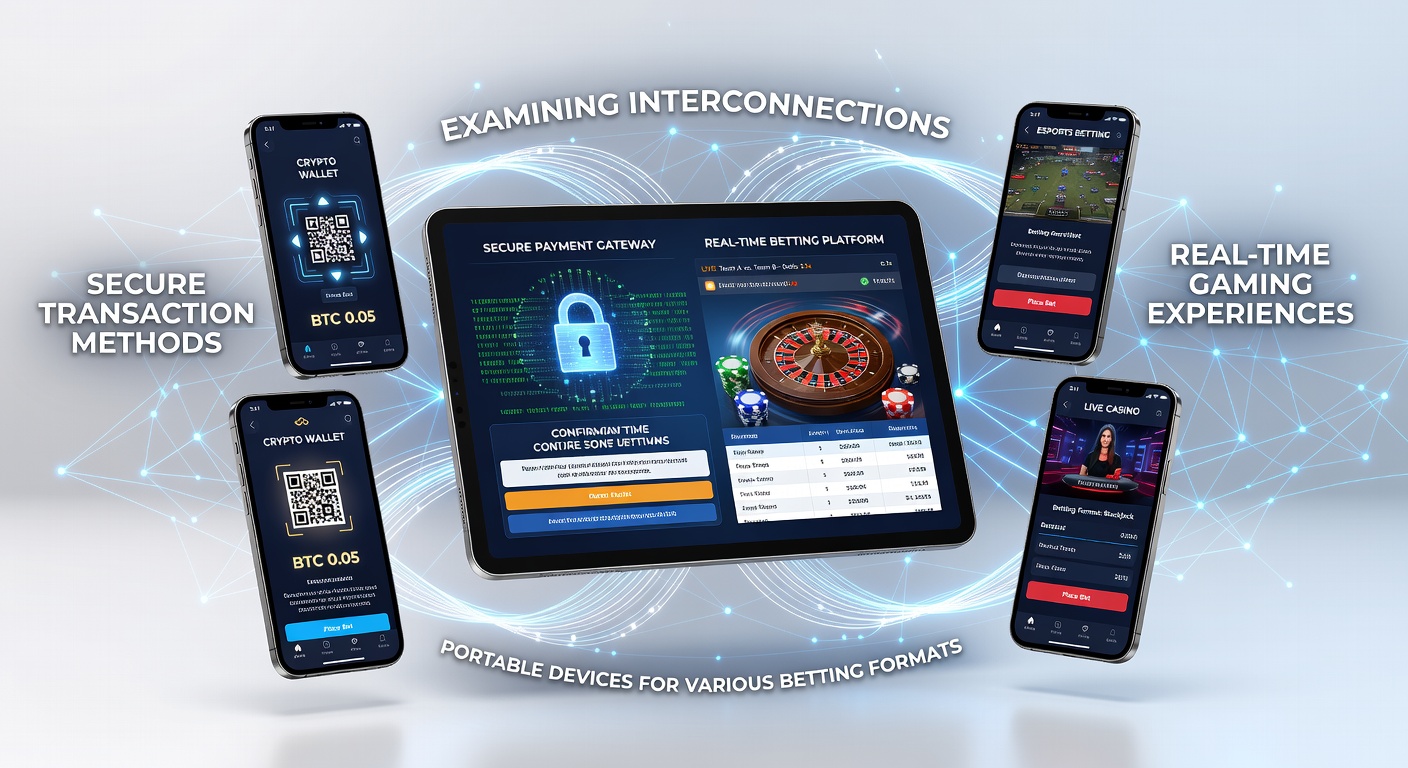
Secure transaction methods have become central to how players engage with real-time gaming experiences on portable devices across sports betting, casino games, bingo, and poker formats. Data from industry reports shows that mobile platforms now handle the majority of betting activity, with transaction speed and encryption directly affecting session continuity and user retention rates.
Portable Device Trends in Multi-Format Betting
Portable devices support fluid transitions between betting formats because developers optimize apps for both iOS and Android operating systems. Research from the Ontario Lottery and Gaming Corporation indicates that by early 2026 mobile sessions accounted for over 65 percent of total wagering volume in regulated markets, with users switching between live sports odds and instant casino tables within single sessions. Those who've studied usage patterns observe that shorter load times on smartphones correlate with higher completion rates for multi-bet combinations and live dealer interactions.
Security protocols embedded in mobile operating systems, including biometric authentication and tokenization, reduce friction during deposits and withdrawals. This setup allows real-time gaming to proceed without interruptions that previously occurred when payment gateways required separate browser redirects.
Transaction Security Layers and Real-Time Performance
Encryption standards such as TLS 1.3 and payment token systems protect data while maintaining the low latency needed for live betting environments. Figures from the European Gaming and Betting Association reveal that platforms integrating these standards saw a 28 percent reduction in transaction-related drop-offs during peak live events in the first quarter of 2026. Observers note that secure methods enable continuous play because funds move instantly between a user's account and the gaming interface, supporting formats that demand immediate responses like in-play sports wagers or bingo daubs timed to live draws.
Payment gateways built specifically for mobile also incorporate fraud detection algorithms that operate in the background. These tools flag suspicious activity without halting legitimate sessions, which keeps real-time elements such as poker hand timers or slot spin sequences running smoothly.
Format-Specific Interconnections
In sports betting, secure mobile transactions connect directly to live odds updates because deposits processed through digital wallets appear in user balances within seconds. This speed supports parlay constructions and cash-out decisions made during ongoing matches. Data indicates that platforms offering instant verification see increased engagement in high-frequency betting markets such as tennis and basketball.
Casino and live dealer experiences rely on similar linkages. Encrypted connections between payment processors and game servers allow players to top up balances mid-session without leaving the table view. Bingo platforms demonstrate parallel benefits, where users can purchase additional tickets during rolling draws because mobile-optimized gateways handle micro-transactions reliably.
Poker rooms on portable devices further illustrate the pattern. Secure transaction rails permit quick rebuy-ins during tournaments, maintaining table integrity and player participation rates. Studies compiled by academic researchers at the University of Nevada, Las Vegas, highlight that sites combining biometric login with tokenized payments record longer average session durations across both cash games and multi-table tournaments.

Data Patterns Emerging in 2026
By May 2026, aggregated platform analytics show that secure transaction adoption tracks closely with increases in cross-format play. Users who complete verified mobile deposits tend to explore additional formats within the same app rather than switching providers. Regulatory filings from iGaming Ontario document a steady rise in combined mobile volumes for sports, casino, and bingo products, attributing part of the growth to streamlined payment flows that eliminate repeated authentication steps.
Those monitoring industry metrics point out that real-time features such as live streaming overlays and instant result notifications function more consistently when payment infrastructure remains stable. Interruptions from failed transactions have declined measurably on platforms that prioritize end-to-end encryption and local processing capabilities.
Future Technical Alignments
Developers continue refining application programming interfaces that link payment systems with game engines. These connections allow portable devices to process both financial actions and gaming events on the same thread, reducing context switching that can disrupt immersion. Evidence from multiple markets suggests this technical alignment supports sustained participation across diverse betting formats without compromising security requirements.
Conclusion
Secure transaction methods and real-time gaming on portable devices maintain clear operational links that affect performance across sports betting, casino tables, bingo, and poker. Available data through mid-2026 shows consistent patterns where faster, protected payments coincide with higher session engagement and format variety. Industry observers continue tracking how these interconnections evolve alongside device capabilities and regulatory standards in different jurisdictions.