Payment Networks Enabling Instant Switches Between Mobile Reel Spins, Virtual Tables, and Number Draws
Written by Zara Schmitz · Jun 3, 2026
Payment Networks Enabling Instant Switches Between Mobile Reel Spins, Virtual Tables, and Number Draws
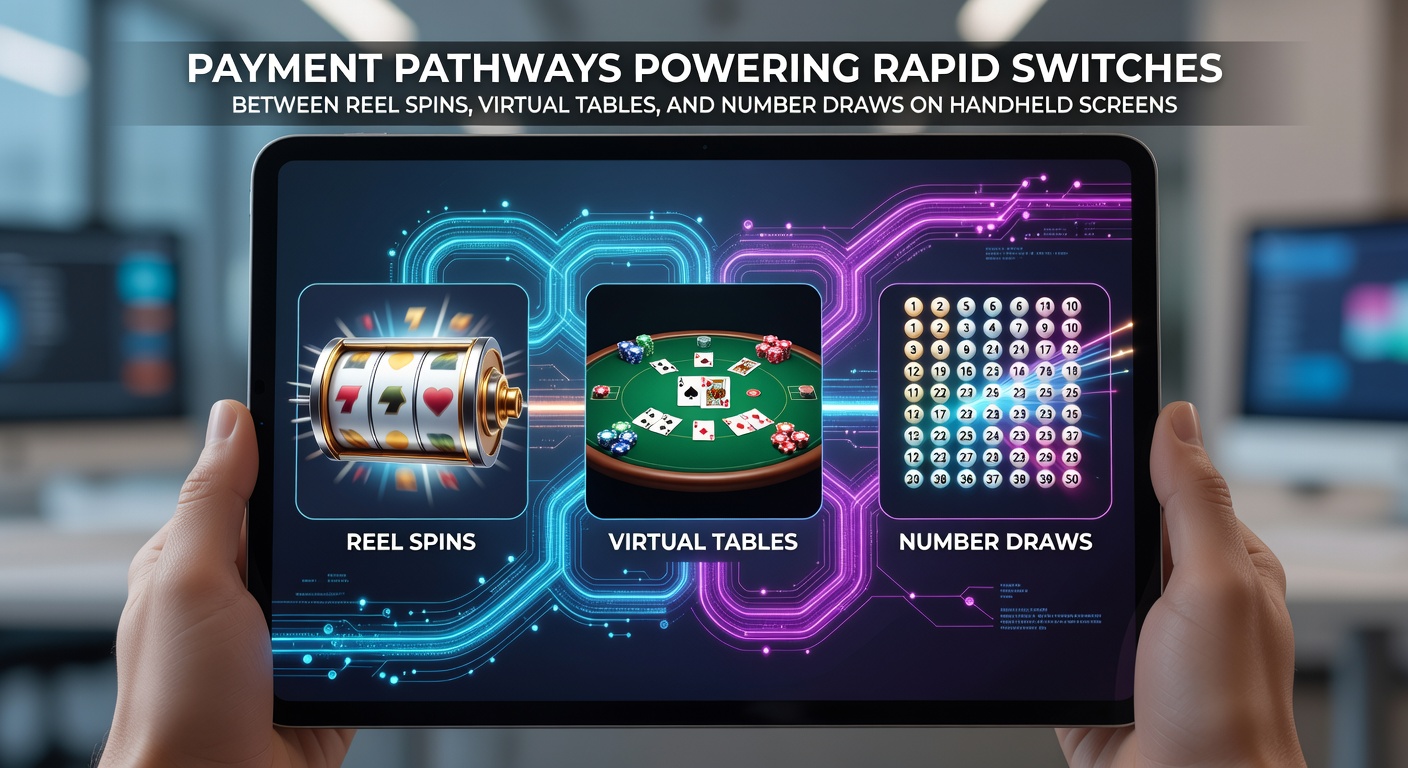
Payment pathways now underpin the ability of players to move rapidly between reel spins, virtual table games, and number draws on handheld screens without encountering delays at deposit or withdrawal stages. These systems integrate banking rails, digital wallets, and carrier billing options that authorize transactions in seconds rather than minutes, allowing accounts to reflect updated balances across multiple game categories on the same device.
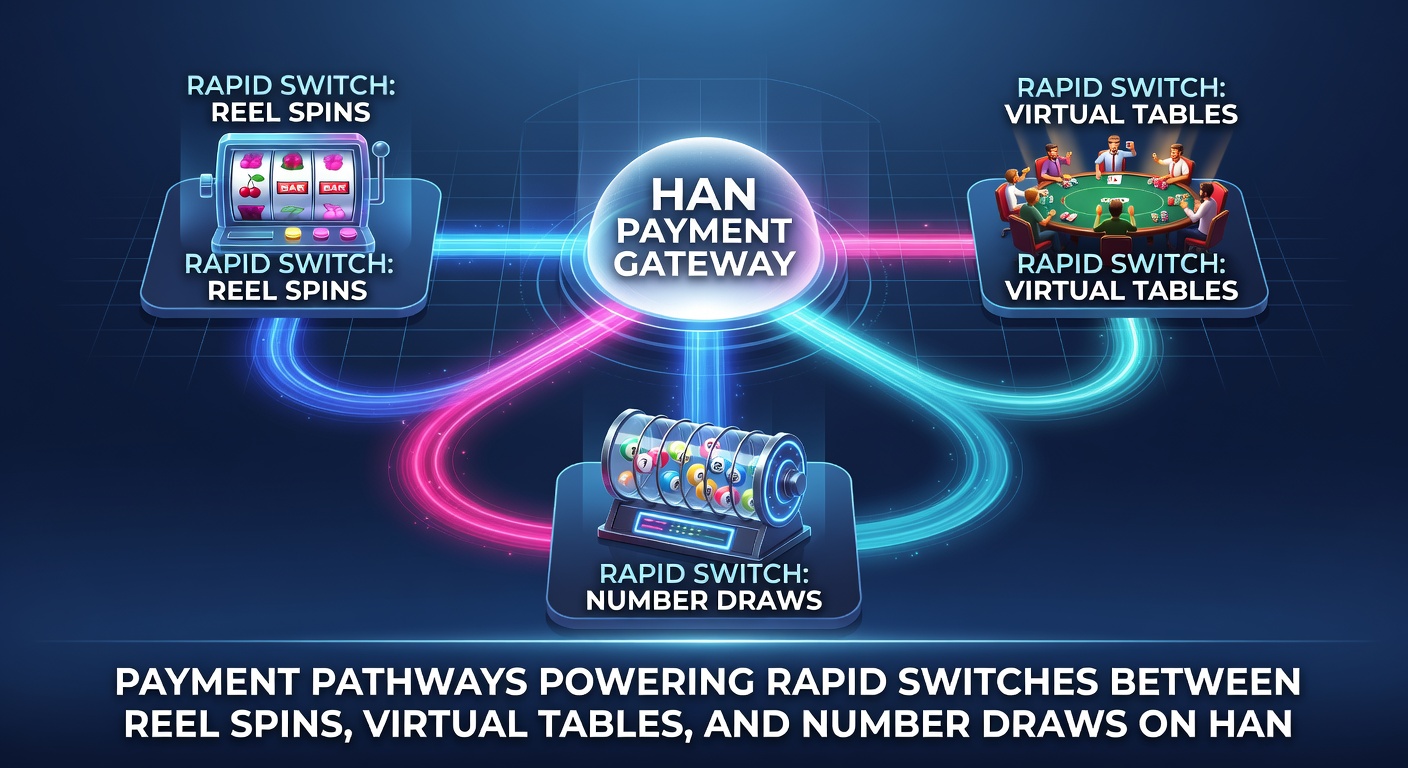
Observers note that modern mobile platforms rely on application programming interfaces connecting game servers directly to payment processors, so funds transfer instantly when a user exits one format and enters another. This connectivity reduces the friction that once forced players to log out or navigate separate cashier pages for each switch.
Core Payment Mechanisms Supporting Cross-Format Access
Real-time bank transfers through open banking protocols authorize deposits while a player remains inside an active session, and the same rails handle withdrawals that credit accounts within the same minute across different game types. Digital wallet services maintain a single balance that updates automatically whether the player selects spinning reels, enters a virtual card room, or joins a number draw lobby, eliminating the need for repeated funding steps.
Carrier billing options add another layer by charging transactions to mobile phone accounts, which proves useful in regions where traditional cards face restrictions yet data connections remain available. These methods operate through secure tokens that gaming applications exchange with network operators, confirming payments without exposing full account details.
Technical Integration on Handheld Devices
Device-level security features such as biometric authentication combine with payment gateway encryption to verify each transaction while the screen displays loading animations for the next game format. Software development kits supplied by payment providers embed directly into gaming applications, so balance checks and transfers occur in the background without interrupting the visual switch from reels to tables or draws.
Data indicates that processing times average under four seconds for approved transactions when these integrated pathways operate at full capacity, according to industry reports on mobile transaction performance. The same infrastructure supports simultaneous play across multiple titles because the payment layer treats each game instance as a separate merchant category while drawing from one central account.
Regional Regulatory Influences on Payment Speed
Authorities in various jurisdictions set standards that shape how quickly funds move between formats on mobile screens. The New Jersey Division of Gaming Enforcement requires transaction logging that still permits sub-five-second approvals when operators meet compliance thresholds, while the Australian Communications and Media Authority oversees verification processes that balance consumer protection with operational efficiency in cross-game movements. New Jersey Division of Gaming Enforcement documentation outlines these requirements without mandating delays that would hinder rapid switches.
Payment providers adapt their systems to satisfy local rules yet preserve the speed necessary for fluid transitions, resulting in standardized APIs that gaming platforms deploy across borders. This adaptation allows the same wallet or banking integration to function whether a player shifts from number draws in one region to virtual tables in another.
Operational Patterns Observed in June 2026
By June 2026 transaction volumes through integrated mobile pathways had increased across platforms offering multiple formats, with reports showing higher frequencies of format switches within single sessions. Research from academic institutions tracking digital payment adoption in entertainment sectors reveals that users complete more cross-format movements when authorization occurs without leaving the application interface.
Those who monitor these trends note that operators deploying unified payment layers record fewer abandoned sessions at the point of game-type change. The infrastructure handles peak loads during evening hours when players often sample different formats in succession, maintaining consistent response times through load-balanced server networks.
Security Protocols Maintaining Transaction Integrity
Tokenization replaces sensitive card or account data with unique identifiers that gaming applications process during each switch, reducing exposure while preserving speed. Multi-factor checks occur through device sensors and behavioral analytics rather than manual entry, allowing the payment pathway to validate requests in milliseconds before funds reflect in the active game balance.
Encryption standards applied at both the payment processor and device level ensure that data exchanged during rapid transitions remains protected, even as players move between reel spins and number draws within seconds. Compliance frameworks from multiple regions require regular audits of these systems, confirming that speed does not compromise verification steps.
Future Infrastructure Developments
Developments scheduled beyond June 2026 include expanded support for central bank digital currencies in select markets, which could further shorten authorization windows for cross-format activity on handheld screens. Pilot programs already test these rails in controlled environments, demonstrating compatibility with existing wallet and banking integrations.
Industry associations continue to publish technical guidelines that encourage uniform API standards, helping smaller operators adopt the same rapid-switch capabilities already present on larger platforms. These guidelines emphasize interoperability so that payment pathways function consistently regardless of the specific game formats offered.
Conclusion
Payment networks form the foundation that lets players shift between reel spins, virtual tables, and number draws on mobile devices with minimal interruption. Through integrated banking, wallet, and billing systems, balances update in real time while security measures stay active in the background. Regulatory standards across regions support these efficiencies without introducing unnecessary delays, and ongoing technical work points toward even faster options in the years ahead.