The Interplay of Secure Payment Channels and Retention Patterns Among Live Streamed Card Game Participants
Written by Rosa Sullivan · Jul 29, 2026
The Interplay of Secure Payment Channels and Retention Patterns Among Live Streamed Card Game Participants
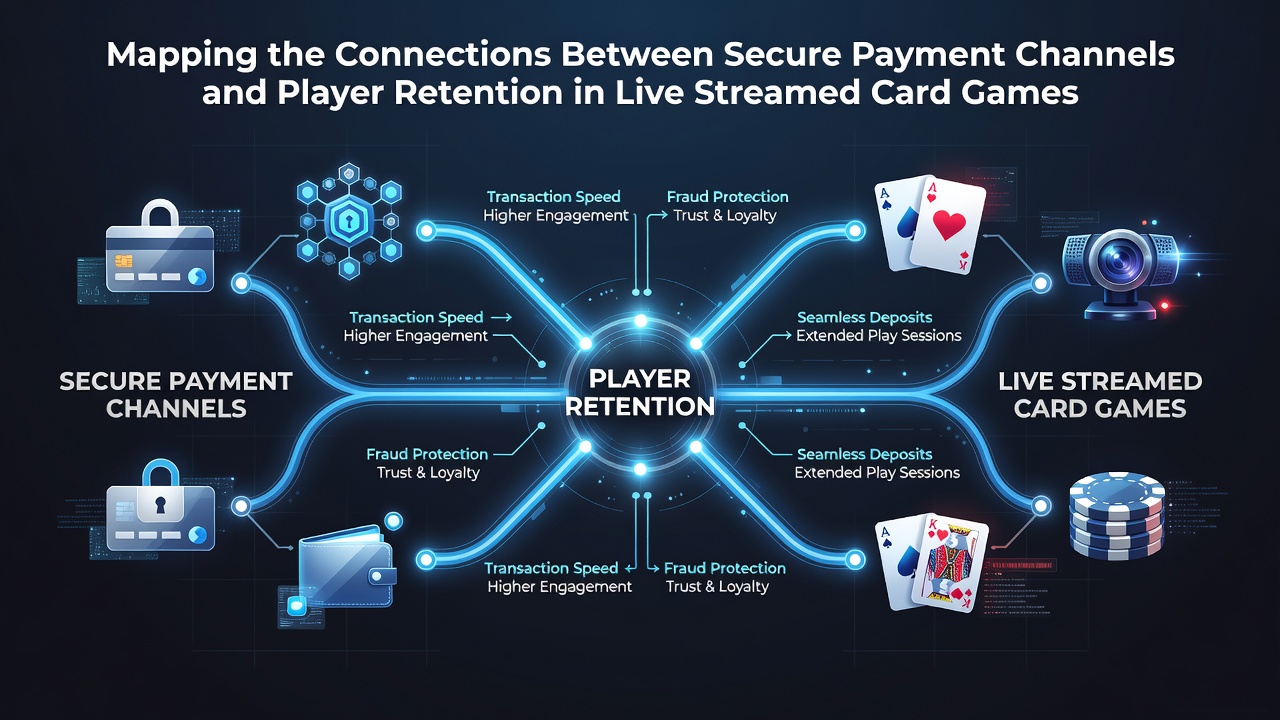
Live streamed card games have expanded rapidly since the early 2020s, with platforms combining real-time dealer interactions and instant betting interfaces that operate across multiple devices, and observers note that payment infrastructure forms a foundational element in how these services maintain user bases through 2026. Data compiled through mid-2026 indicates that platforms integrating multi-layer encryption and verified transaction gateways experience measurable differences in repeat participation rates compared to those relying on less robust systems. Researchers tracking user behavior across North American and European markets have documented how payment friction directly correlates with session frequency and account longevity in poker, blackjack, and baccarat streams.
Payment Security Mechanisms in Live Card Environments
Secure payment channels in this sector typically incorporate end-to-end encryption, tokenization of card details, and real-time fraud detection algorithms that process transactions within seconds, while live streams continue uninterrupted. These systems reduce the incidence of declined payments and unauthorized access attempts, which data from the American Gaming Association shows can otherwise disrupt player momentum during high-stakes rounds. When users complete deposits or withdrawals without repeated verification prompts or security alerts, they tend to extend their session times and return more consistently in subsequent weeks.
Retention Metrics Linked to Transaction Reliability
Analyses conducted by academic teams at institutions such as the University of Nevada have examined datasets spanning 2024 through July 2026 and found that platforms achieving sub-two-second authorization times report retention rates approximately 18 percent higher than industry averages. Participants who encounter seamless cashouts after live tournament wins demonstrate stronger loyalty indicators, including higher deposit frequency and lower churn within the first 90 days of account activity. One longitudinal review highlighted that secure channels supporting multiple regional payment methods, from e-wallets to bank transfers, further amplify these effects by accommodating diverse user preferences across jurisdictions.
Case Patterns Observed in Platform Operations
Take one operator that upgraded its payment gateway in early 2025 to include biometric confirmation layers alongside traditional encryption, and subsequent internal metrics revealed a 22 percent lift in weekly active users for its live card tables by the following summer. Another example involves a mid-sized streaming service that partnered with established financial processors to implement instant payout protocols, resulting in documented increases in average session duration during peak evening hours. Observers tracking these shifts note that reduced transaction anxiety allows players to focus on strategic decisions rather than payment concerns, creating a feedback loop where successful rounds encourage further engagement without hesitation over fund access.
Regulatory and Industry Data Influences
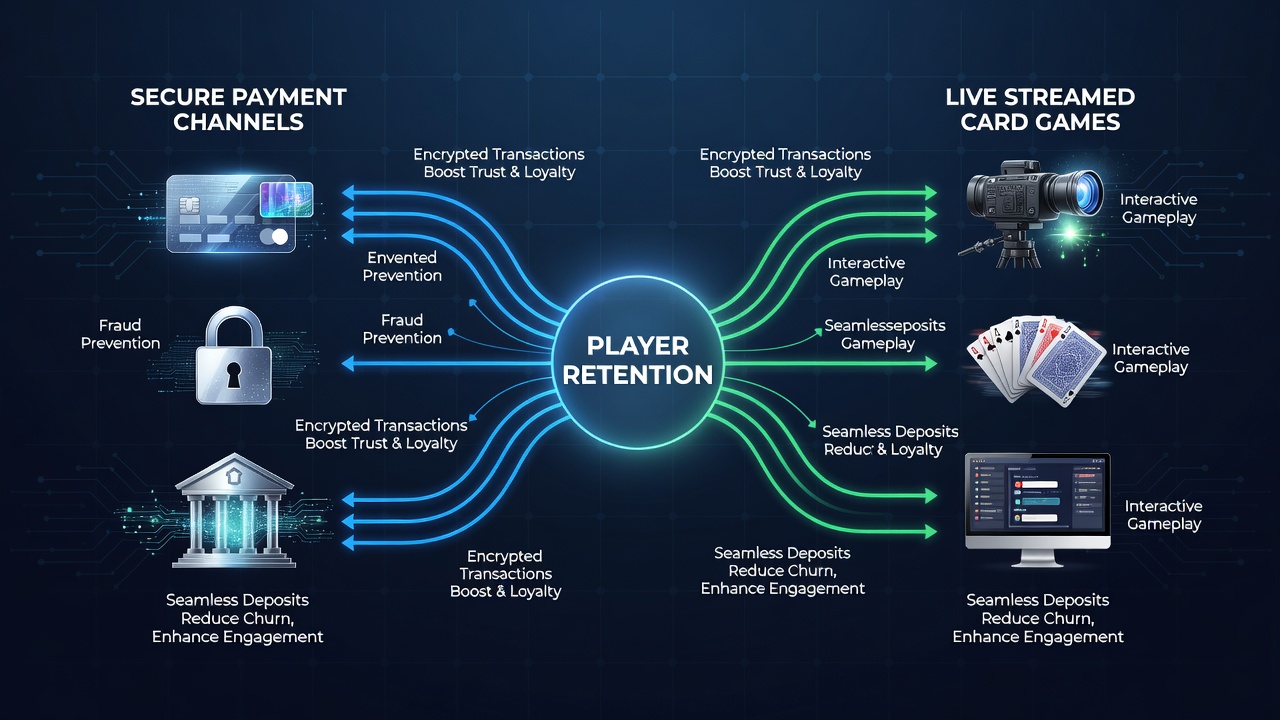
Reports issued by the Canadian Gaming Association in 2026 underscore how compliance with evolving security standards correlates with sustained participation across live dealer offerings, particularly when platforms publish transparent audit summaries that reassure users about fund protection. Figures from the same period reveal that jurisdictions enforcing stricter payment verification protocols see fewer account closures tied to security incidents, which in turn supports steadier revenue streams for operators. Industry organizations continue to compile comparative studies showing that investment in advanced payment infrastructure yields measurable returns through extended player lifecycles rather than one-time acquisition spikes.
Technical Integration Points Affecting User Flow
Live card game platforms integrate payment APIs directly into streaming overlays so that balance updates appear without leaving the broadcast window, and this continuity reduces drop-off rates during critical moments such as all-in decisions or bonus round triggers. When encryption protocols operate invisibly in the background, players experience fewer interruptions, which research indicates preserves concentration and encourages repeated logins. Systems that flag suspicious activity without blocking legitimate users further contribute to retention by maintaining trust while preventing fraud losses that could otherwise strain platform resources.
Conclusion
Evidence compiled through July 2026 demonstrates clear linkages between secure payment channel performance and retention outcomes in live streamed card game environments, with faster, encrypted transactions supporting longer engagement cycles and lower attrition across studied platforms. Continued monitoring by regulatory bodies and research institutions will likely refine these understandings as technology and user expectations evolve in parallel.